2025 and Beyond: The Future of Learning
Education stands at the threshold of unprecedented transformation. Emerging technologies, shifting workforce demands, and evolving understanding of learning itself are converging to reshape how knowledge is acquired, validated, and applied. The next decade promises changes more dramatic than the previous century combined.
Virtual and Augmented Reality Learning Spaces
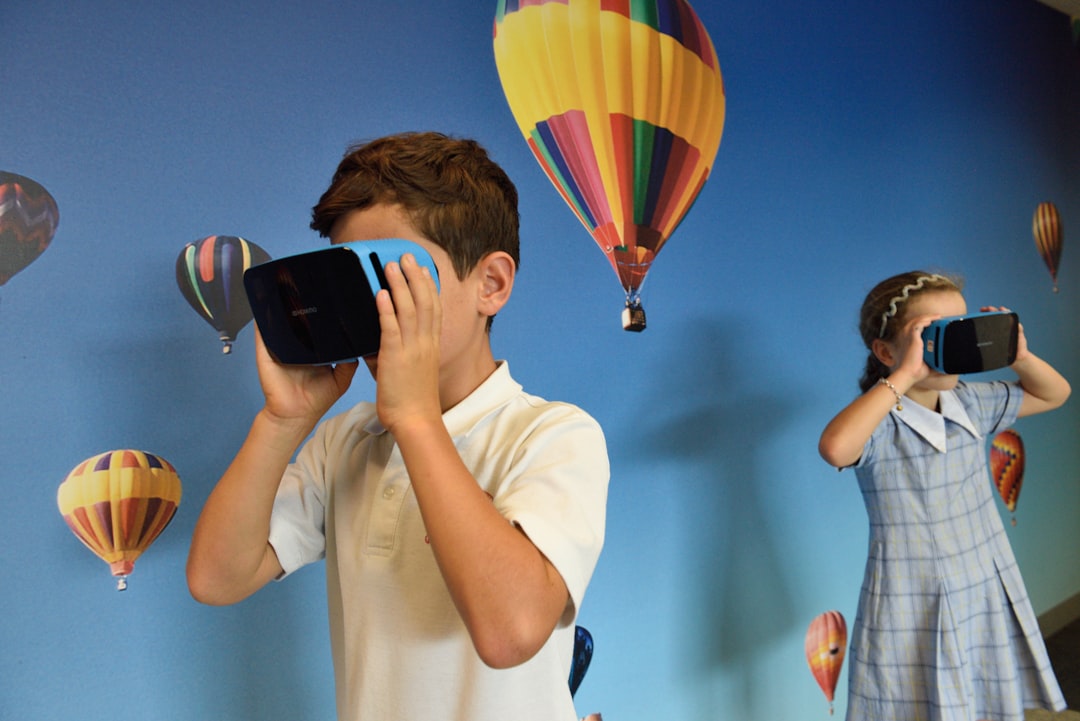
Virtual reality is moving beyond novelty to become a standard educational tool. Students will explore historical sites as they existed centuries ago, walk through molecular structures at atomic scale, and practice complex procedures in risk-free simulated environments. The distinction between physical and virtual classrooms will blur as mixed reality blends digital content seamlessly with physical spaces.
Augmented reality overlays will transform textbooks into interactive experiences, with diagrams that animate when viewed through AR-enabled devices. Laboratory equipment too expensive or dangerous for schools will become accessible through virtual simulations indistinguishable from physical counterparts. Field trips will span continents and time periods without leaving the building.
Lifelong Learning Platforms
The traditional model of front-loaded education followed by decades of work is obsolete. Rapid technological change requires continuous learning throughout careers. Educational platforms of the future will support lifelong learning journeys, adapting to changing goals and circumstances as learners move through different life stages.
Micro-credentials and competency-based progression will replace age-graded courses and semester-long commitments. Learners will assemble personalized educational pathways from diverse providers, building portfolios of skills validated through demonstration rather than seat time. Education will become truly continuous rather than episodic.
Blockchain and Digital Credentials
Blockchain technology will revolutionize how educational achievements are recorded and verified. Tamper-proof digital credentials will provide portable, verifiable records of skills and knowledge that follow learners throughout their lives. These credentials can be shared instantly with potential employers or educational institutions without intermediaries.
Smart contracts will automate credential verification and transfer, reducing administrative burden and enabling instant validation of qualifications. Learners will own their educational data, controlling who accesses it and how it's used. This shift will increase transparency while protecting privacy through cryptographic techniques.
Neurotechnology and Learning Enhancement
Advances in neuroscience and brain-computer interfaces will enable unprecedented insights into learning processes. Non-invasive brain monitoring will detect optimal learning states, allowing systems to adapt in real-time to maximize effectiveness. Attention tracking will identify when students are confused, bored, or overwhelmed, triggering appropriate interventions.
While still emerging, direct brain-computer interfaces may eventually enable new forms of learning, transmitting information directly to neural pathways. Ethical frameworks will be essential to ensure such technologies enhance rather than replace natural learning processes and remain accessible rather than creating new forms of inequality.
AI-Powered Learning Companions
Artificial intelligence will evolve beyond tutoring systems to become sophisticated learning companions that understand individual students deeply. These AI partners will adapt not just to knowledge levels but also to emotional states, motivation patterns, and personal interests. They'll provide encouragement during frustration, challenge when progress stagnates, and celebration of achievements.
Natural language processing will enable conversations indistinguishable from human tutors, with AI companions explaining concepts, answering questions, and engaging in Socratic dialogue to deepen understanding. These systems will be available 24/7, providing support whenever and wherever learners need it.
Quantum Computing in Education
As quantum computers mature, they will tackle computational problems currently impossible for classical computers. Educational applications will include simulating complex molecular interactions for chemistry students, modeling climate systems with unprecedented accuracy, and solving optimization problems in logistics and planning that currently take days in seconds.
More importantly, quantum computing will require new ways of thinking about computation and information. Educational curricula will evolve to incorporate quantum concepts, preparing students for careers in quantum information science and related fields that don't yet exist.
Global Collaborative Learning Networks
Advanced translation technologies will eliminate language barriers, enabling real-time collaboration between students worldwide. International project teams will become standard rather than exceptional, exposing learners to diverse perspectives and cultural contexts. Global learning communities will form around shared interests rather than geographic proximity.
These networks will facilitate collective intelligence, where groups solve problems no individual could address alone. Distributed learning projects will tackle real-world challenges, from climate change to public health, giving students meaningful purposes beyond grades and credentials.
Personalized Learning Pathways
Future education will move from one-size-fits-all curricula to individually optimized learning journeys. AI systems will analyze vast amounts of data about learning preferences, prior knowledge, goals, and constraints to design personalized pathways through educational content. These pathways will adapt continuously based on progress and changing circumstances.
Learners will have unprecedented agency in directing their education, exploring interests deeply while still building foundational knowledge across domains. The line between formal education and independent learning will blur as platforms integrate content from diverse sources into coherent learning experiences.
Skills-Based Education Models
Degrees and grades will become less important than demonstrated capabilities. Employers increasingly seek evidence of skills through portfolios, projects, and performance assessments rather than credentials alone. Education will shift focus from memorization to application, from passive consumption to active creation.
Project-based learning will dominate, with students working on authentic challenges that build transferable skills. Assessment will occur through demonstration of competency in realistic contexts rather than standardized tests. This shift better prepares learners for rapidly changing career landscapes where specific knowledge becomes obsolete quickly but foundational skills remain valuable.
Ethical and Equity Considerations
As education technology advances, ensuring equitable access becomes increasingly critical. The digital divide risks becoming an intelligence divide if advanced learning tools are available only to privileged populations. Deliberate policy interventions and technology design choices will be necessary to prevent exacerbating existing inequalities.
Privacy concerns will intensify as educational systems collect more granular data about learning processes. Balancing personalization benefits against surveillance risks requires careful ethical frameworks and regulatory oversight. Students should benefit from AI insights without becoming products themselves.
Preparing for the Unknown
Perhaps the most important educational shift is preparing learners for futures we cannot fully anticipate. Rather than focusing on specific content that may become obsolete, education must develop adaptability, critical thinking, creativity, and emotional intelligence. These human capabilities will remain essential regardless of technological advancement.
The classrooms of 2035 will look dramatically different from today, incorporating technologies we're only beginning to imagine. However, the fundamental purpose remains unchanged: empowering individuals to reach their potential, contribute to society, and navigate complex challenges with wisdom and compassion. Technology amplifies human capability but cannot replace the human elements that make education transformative.